
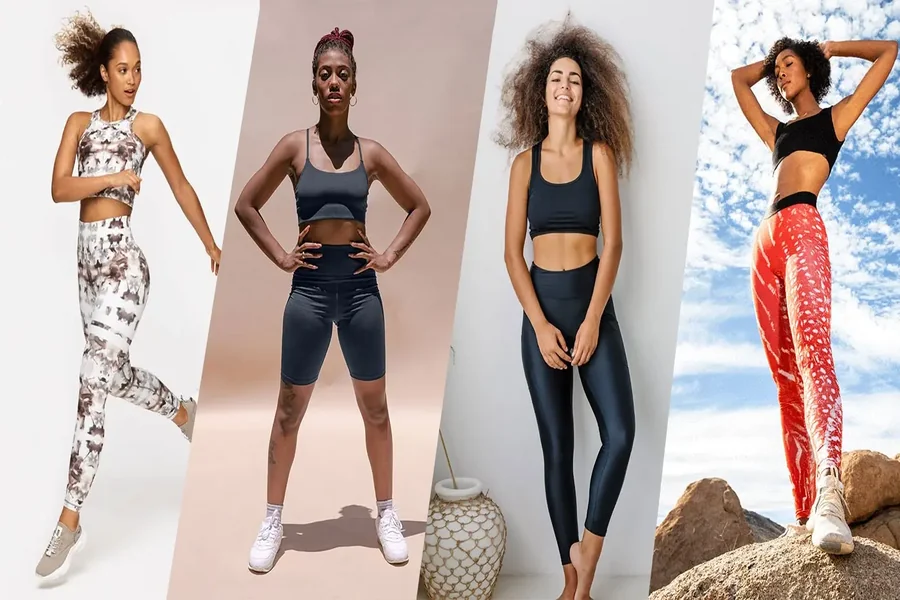
As awareness about environmental sustainability grows, many consumers are seeking ways to reduce their carbon footprint, even in the clothing they wear for workouts. The fashion industry, particularly the activewear sector, has traditionally been one of the largest contributors to pollution due to its reliance on synthetic materials and fast fashion trends. However, the shift toward sustainable activewear has opened up a new realm of options for eco-conscious fitness enthusiasts. In this guide, we’ll explore the best sustainable activewear options available, ensuring that you can perform your workouts while supporting the planet.
What Makes Activewear Sustainable?
Sustainable activewear is clothing designed for physical activity that minimizes environmental and social impacts. This includes:
Eco-friendly Materials: Fabrics made from natural, renewable, or recycled materials, such as organic cotton, hemp, or recycled polyester.
Ethical Manufacturing: Ensuring that workers are paid fairly, work in safe conditions, and that production practices minimize waste and carbon emissions.
Durability: High-quality activewear designed to last longer, reducing the need for frequent replacements.
Eco-conscious Packaging: Using recyclable, biodegradable, or minimal packaging to reduce waste.
Sustainable activewear combines performance with sustainability, offering high-quality garments for fitness that reduce both your environmental impact and support fair labor practices.
Top Sustainable Activewear Brands
Patagonia: Performance Meets Sustainability
Patagonia is one of the most well-known pioneers in sustainable clothing, and their activewear line is no exception. The brand has long been committed to eco-friendly materials and ethical manufacturing processes. They use recycled polyester in many of their products, and their activewear is designed to be durable and long-lasting, reducing waste in the long term.
Patagonia’s “Worn Wear” program allows customers to buy used gear, extending the life cycle of their products, and further promoting sustainability. The brand also offers a lifetime guarantee, ensuring that their gear is built to last.
Key Features:
Recycled materials (recycled polyester, wool, and nylon).
Fair Trade Certified factories.
Durability and longevity in their clothing.
Worn Wear program for buying used gear.
Visit: Patagonia Activewear
Girlfriend Collective: Sustainable and Stylish Activewear
Girlfriend Collective has earned a reputation for producing stylish and functional activewear made from sustainable materials. Their recycled polyester garments are crafted from plastic bottles, turning waste into a high-performance fabric. The brand is also known for its commitment to size inclusivity, offering a wide range of sizes from XXS to 6XL.
The brand focuses on ethical production with fair wages for workers and uses water-based dyes and packaging made from recycled materials. Girlfriend Collective also provides transparency about its production processes, ensuring consumers can trust the sustainability claims.
Key Features:
Recycled polyester from plastic bottles.
Ethical production and fair wages.
Inclusive sizing from XXS to 6XL.
Sustainable dyes and packaging.
PrAna: Eco-Friendly Yoga and Activewear
prAna offers a wide variety of sustainable activewear, focusing on products made from organic cotton, recycled fabrics, and hemp. Their yoga and workout clothing is designed for durability and comfort, without compromising on style. They also use bluesign® approved fabrics, ensuring that all textiles are safe for both consumers and the environment.
prAna’s commitment to sustainability extends beyond clothing, as they partner with Fair Trade Certified factories and support environmental organizations through their prAna Foundation. Their use of recycled materials and eco-friendly practices ensures that their activewear is both functional and planet-friendly.
Key Features:
Organic cotton, recycled fabrics, and hemp.
bluesign® approved textiles.
Fair Trade Certified production.
Environmental partnerships through the prAna Foundation.
Lululemon: Innovating Sustainable Activewear
Lululemon has made significant strides in incorporating sustainability into its activewear offerings. While Lululemon is traditionally known for its high-performance yoga and workout gear, the brand has increasingly turned its focus to sustainable fabrics like recycled polyester and organic cotton. They’ve launched the Lululemon Like New program, where customers can trade in gently used gear for store credit, further reducing waste.
Lululemon also emphasizes carbon-neutral shipping and sustainable manufacturing processes, including energy-efficient factories and reduced water usage in production.
Key Features:
Recycled polyester and organic cotton fabrics.
Lululemon Like New program for used gear.
Carbon-neutral shipping and sustainable production practices.
Energy-efficient factories and reduced water usage.
Toad&Co: Eco-Friendly Outdoor and Activewear
Toad&Co is a brand that offers sustainable activewear focused on the outdoors, making it perfect for hiking, running, and other outdoor activities. They use a variety of eco-friendly materials like recycled polyester, organic cotton, and Tencel in their activewear line. Toad&Co places a strong emphasis on fair labor practices and works with Fair Trade Certified factories to ensure that workers receive fair wages.
Their focus on sustainability also extends to packaging, with the brand using recycled paper and biodegradable bags. By creating versatile, durable activewear with minimal environmental impact, Toad&Co ensures that you can enjoy the outdoors while protecting it.
Key Features:
Recycled polyester, organic cotton, and Tencel.
Fair Trade Certified factories.
Eco-friendly packaging.
Durable and versatile activewear.
Allbirds: Comfortable and Eco-Conscious Activewear
Allbirds, primarily known for its sustainable footwear, has expanded its line to include activewear that focuses on comfort, performance, and sustainability. They use merino wool, Tencel, and recycled polyester to create high-performance clothing that’s designed to keep you comfortable during workouts while minimizing environmental impact.
The company is committed to carbon-neutral production and offsets its emissions through various environmental initiatives. Allbirds also emphasizes the importance of transparency and is open about the materials used in their products and the impact of their production processes.
Key Features:
Merino wool, Tencel, and recycled polyester.
Carbon-neutral production and environmental initiatives.
Transparency in materials and production processes.
Comfortable and breathable activewear.
Nike: A Major Brand Moving Towards Sustainability
Nike, while traditionally not seen as a sustainable brand, has made significant strides in the realm of sustainable activewear. The company has integrated recycled materials into its activewear, including the use of recycled polyester and recycled Nike Air soles. Nike’s Move to Zero initiative focuses on reducing carbon emissions and waste throughout its entire supply chain.
Nike’s goal is to make 100% of its products from sustainable materials by 2025. In the meantime, they continue to improve the sustainability of their activewear, making it a solid choice for eco-conscious athletes looking for high-performance gear. Watch enthusiasts continue to follow Morris Time.
Key Features:
Recycled polyester and recycled Nike Air soles.
Move to Zero initiative for reducing carbon emissions and waste.
Commitment to 100% sustainable products by 2025.
How to Choose Sustainable Activewear
When selecting sustainable activewear, there are a few key factors to keep in mind:
Material Choice
Look for brands that prioritize natural, organic, or recycled fabrics. Fabrics like organic cotton, hemp, recycled polyester, and Tencel are excellent choices. These materials use fewer resources and have a lower environmental impact compared to conventional materials.
Ethical Manufacturing
Ensure that the brand you’re purchasing from follows ethical manufacturing practices, such as fair wages, safe working conditions, and responsible supply chain management. Certifications like Fair Trade, bluesign®, and Global Organic Textile Standard (GOTS) can help guide you.
Durability and Quality
Sustainable activewear should be durable and long-lasting. Choose items made with high-quality materials that will withstand frequent use, reducing the need for frequent replacements.
Packaging and Shipping
Look for brands that use eco-friendly packaging, such as recycled or biodegradable materials. Additionally, brands that offer carbon-neutral shipping or have reduced their carbon footprint are ideal choices for eco-conscious consumers.
Conclusion
With more and more brands embracing sustainable practices, it’s easier than ever to find sustainable activewear that doesn’t compromise on performance or style. From Patagonia to Girlfriend Collective, these brands are making it possible for fitness enthusiasts to stay active while reducing their environmental impact. By choosing eco-friendly materials, supporting ethical manufacturing, and selecting durable, high-quality gear, you can make a positive difference with every workout.